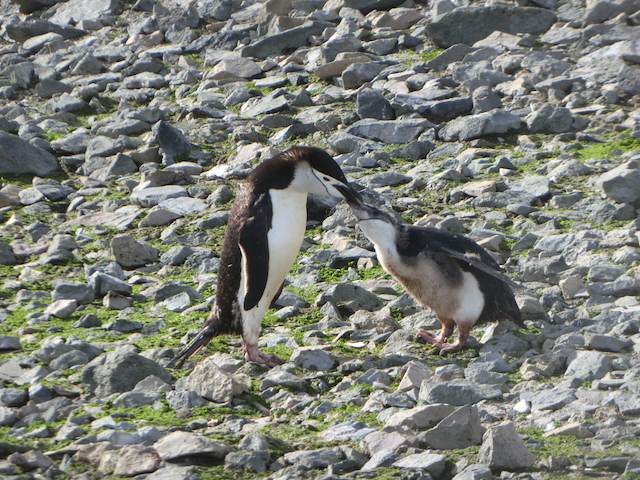
Penguins
Dense, waterproof feathers trap warmth. Emperor penguins huddle; Adélie, chinstrap, and gentoo penguins build colonies near the coast.
Visit the penguin gallery →
Chapter 2 · Grades 4–6
Antarctica may look empty, but its ocean is busy with life. Tiny drifting plants help feed some of the biggest animals on Earth.
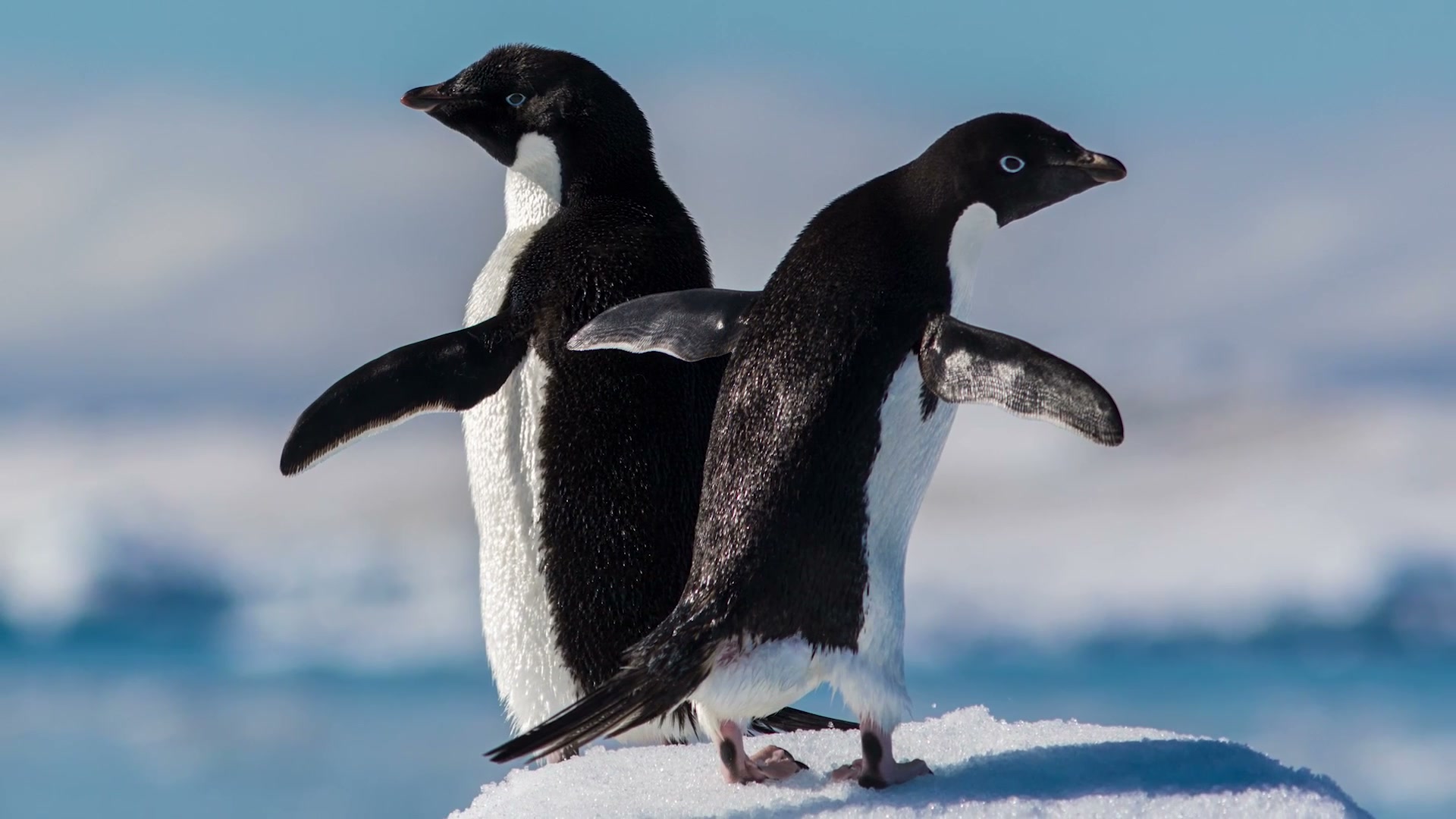
Adélie penguins · WindWalker Antarctic photo archive
Where life gathers
The icy land is difficult for plants and animals. The ocean, however, carries nutrients and supports a huge food web. Penguins and seals may rest or raise young on land and ice, but they hunt in the sea.
Follow the energy
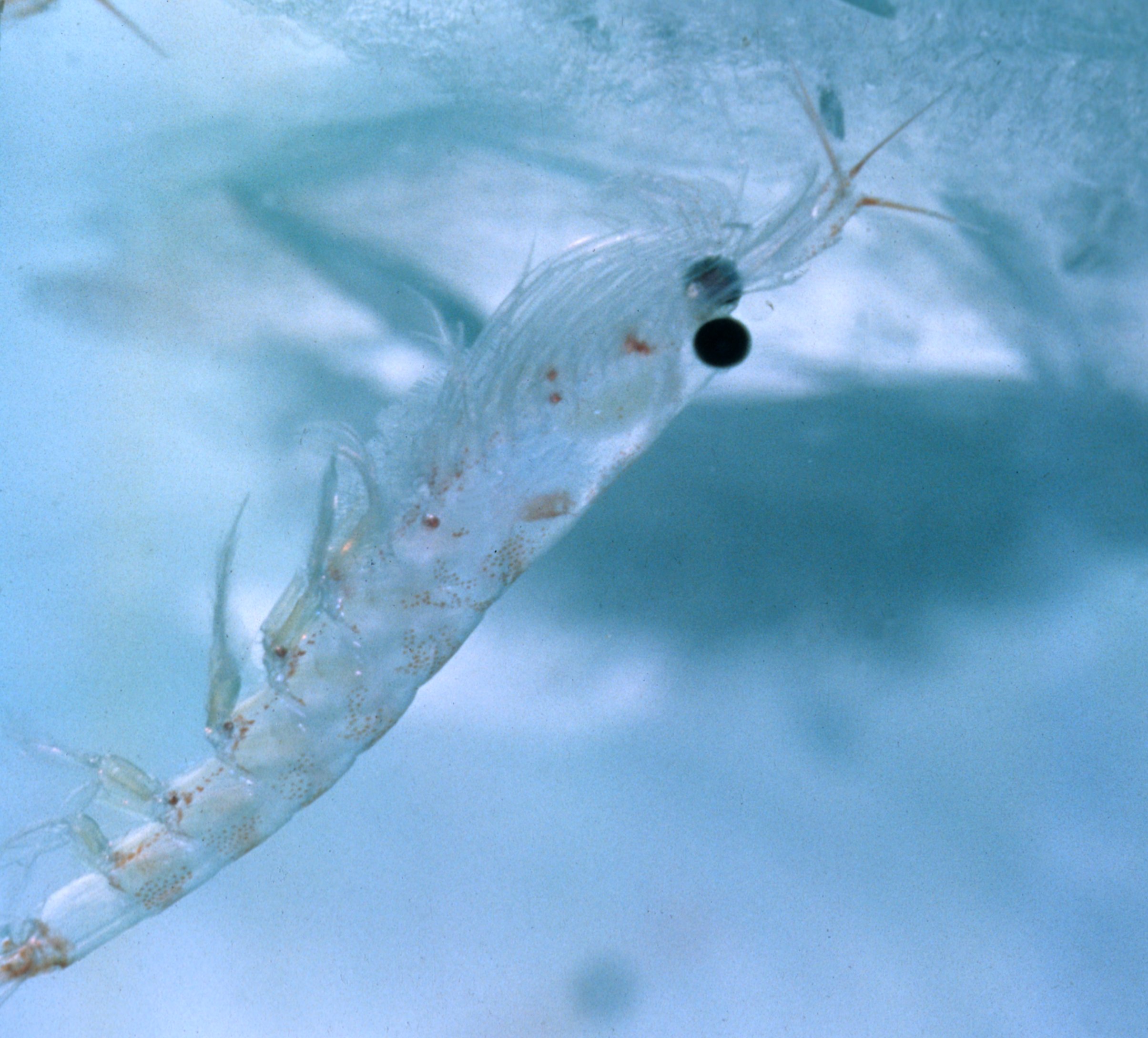
Krill are the small but mighty link between tiny ocean plants and many Antarctic animals. The arrows mean “is eaten by.”
This is one path through a much bigger web. Krill also feed fish, squid, flying seabirds, some seals, and enormous baleen whales. Many seals eat krill, fish, or squid directly; leopard seals are the seal species best known for hunting penguins.
Small animal, giant job
An adult Antarctic krill is about 6 centimetres long—roughly the length of a child’s little finger. Krill gather in enormous swarms and eat phytoplankton. Fish, squid, seabirds, penguins, seals, and baleen whales all eat krill.
Because so much of the food web passes through them, scientists sometimes call krill a keystone species. Imagine the centre piece in an arch: many other pieces rely on it.
Wild neighbours
These animals have body parts and behaviours—called adaptations—that help them survive cold water, wind, and ice.
Dense, waterproof feathers trap warmth. Emperor penguins huddle; Adélie, chinstrap, and gentoo penguins build colonies near the coast.
Visit the penguin gallery →
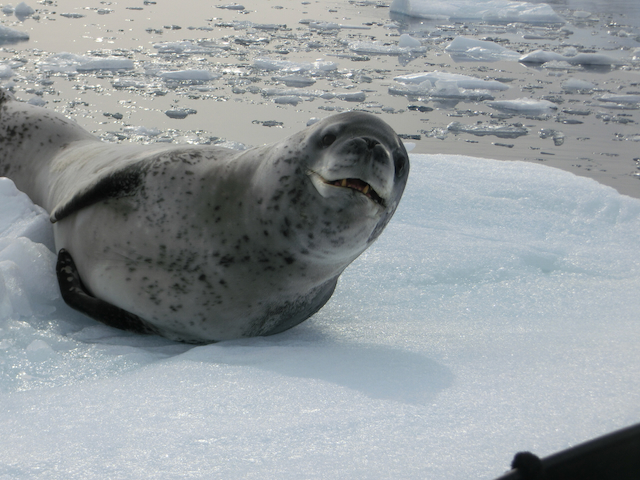
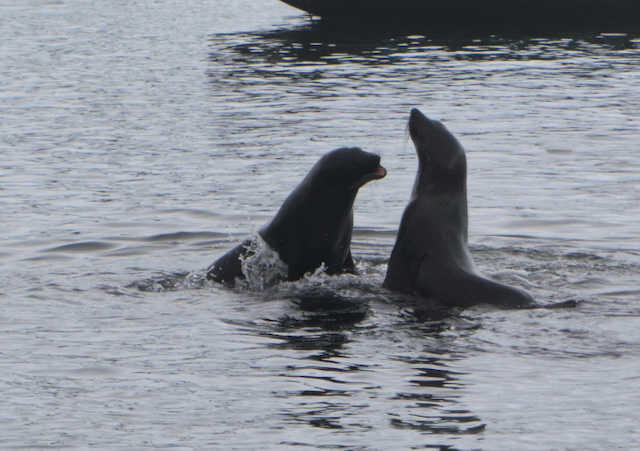
A thick layer of fat called blubber holds in heat. Weddell, crabeater, leopard, fur, and elephant seals live in the Antarctic region.
Visit the seal gallery →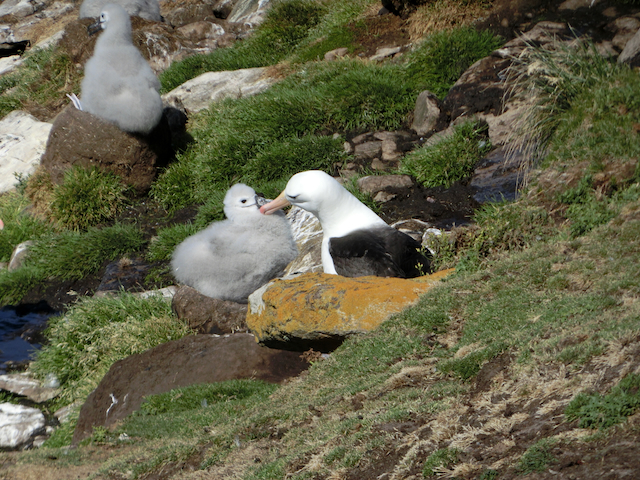
Albatrosses, petrels, skuas, and terns travel over the Southern Ocean. Long wings help some glide great distances while searching for food.
Visit the bird gallery →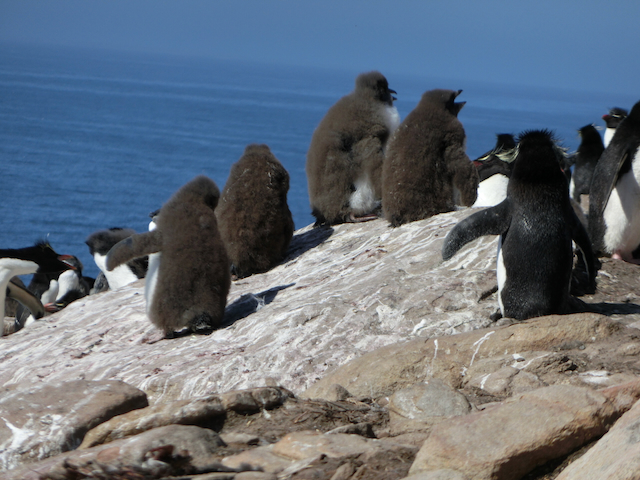
A bird that “flies” underwater
Yes! Flying does not make an animal a bird—feathers do. Penguins also have beaks, lay eggs, and are warm-blooded.
A penguin’s short, stiff wings cannot lift it through air. Instead, they push against water, almost as if the penguin is flying through the ocean.
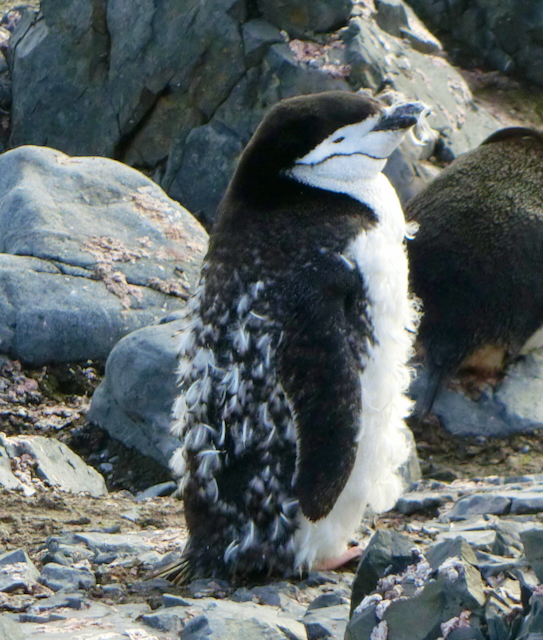
Chicks begin with soft down that traps warmth but is not waterproof. Before going to sea, they replace it with short, overlapping waterproof feathers. This first change is called fledging.
Once each year, an adult replaces all its worn feathers in a fast “catastrophic moult.” It must stay out of the sea and cannot hunt until its waterproof coat is ready.
Two different coat changes: a chick fledges once, replacing its down with its first waterproof feathers. An adult moults every year, replacing one complete waterproof feather coat with another.
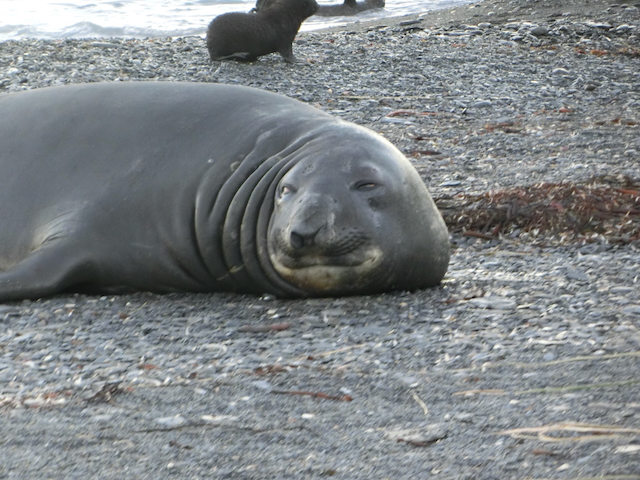
A mammal made for the sea
Yes! Seals breathe air with lungs, are warm-blooded, give birth to live pups, and mothers feed their pups milk.
They have four limbs, but evolution reshaped them into flippers. The bones are still inside. Flippers steer and propel a seal far better than ordinary legs could.
A seal breathes at the surface and holds its breath below. Extra blood and oxygen-carrying proteins store oxygen in its blood and muscles, where it can be used slowly during a dive.
Seals do not have gills. Weddell seals even keep breathing holes open in winter ice with their teeth, then navigate back to those holes in the dark.
Feathers and fur can trap pockets of warm air. Blubber works like a thick, built-in winter coat. Huddling lets penguins share warmth. Even krill have a winter trick: when food is scarce, they can shrink and use less energy.
This chapter was checked against educational material from the Australian Antarctic Program.