Land ice loses mass
Satellites show that Antarctica’s ice sheet has been losing ice overall since measurements began in 2002. When land ice reaches the ocean, global sea level rises.

Chapter 3 · Grades 4–6
What happens in Antarctica does not stay in Antarctica. Its ice, ocean, and wildlife are connected to the whole planet.
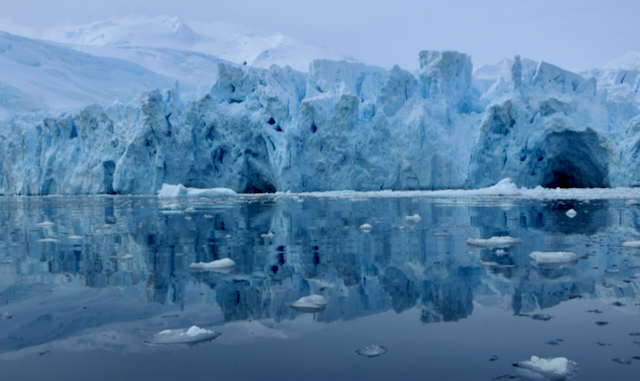
Antarctic glacier wall · WindWalker Antarctic photo archive
First, the big idea
Burning coal, oil, and gas releases carbon dioxide. This gas acts a little like an extra blanket around Earth. As air and oceans warm, Antarctica’s ice and living systems respond.
Four connected changes
A change in one part of the Antarctic system can travel through the others.
Satellites show that Antarctica’s ice sheet has been losing ice overall since measurements began in 2002. When land ice reaches the ocean, global sea level rises.
Sea ice freezes ocean water and floats. Its timing, thickness, and area affect algae, young krill, penguins, seals, and the animals that eat them.
The Southern Ocean is warming in many places. It also absorbs carbon dioxide, which makes the water more acidic and can make life harder for some organisms.
Young krill shelter and feed beneath sea ice. Changes to krill can ripple outward to fish, penguins, seals, seabirds, and whales.
Some penguin colonies may have to travel farther to reach food or find stable ice. Species do not all respond in the same way.
Added water from melting land ice raises sea level around the world, increasing risks for people and habitats near coastlines.
Words that matter
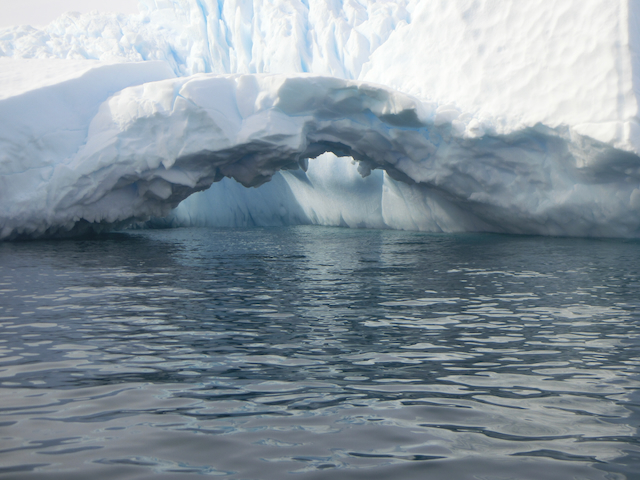
Land ice is snow and ice piled on the continent. When it melts or flows into the ocean, it adds water and raises sea level.
Sea ice forms when ocean water freezes. It already floats, so melting it does not directly raise sea level—just as melting ice cubes do not overflow a full glass. But sea ice is vital habitat and helps reflect sunlight.
Satellites measure the height, area, and mass of ice. Weather stations record air conditions. Ships, floats, and instruments carried by seals measure the ocean. Biologists count animals and follow where they feed. One measurement is a clue; many measurements over time reveal a pattern.
Think like a scientist
Climate science is not about one hot day or one snowy week. It is about gathering evidence, comparing years, checking ideas, and being honest about what we still need to learn.
Reasons for hope
Countries protect Antarctica through international agreements, and researchers share discoveries across borders. Children can help by learning, asking good questions, caring for energy and materials, and sharing accurate science. Big climate solutions also need communities, scientists, companies, and governments working together.
This chapter was checked against current educational and satellite-based information from NASA and the Australian Antarctic Program.